
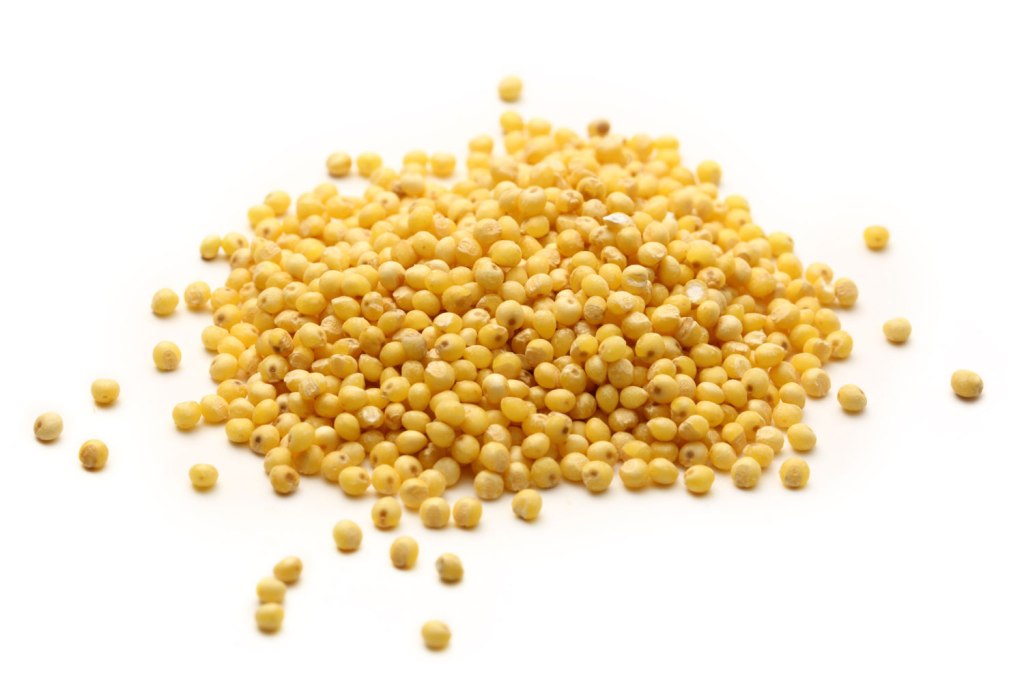
Complex carbohydrates: Reviving millet and brown rice
One of the hardest food groups for me to find time to add to my diet is complex carbohydrates. It also seems we have forgotten about the value of integrating complex carbohydrates into our diet since everyone seems to be on a low carb kick. People confuse the various kinds of carbohydrates and avoid all of them at the cost of a well-rounded diet.
However, complex carbohydrates are well worth the time we invest in cooking them due to the nutritional value we reap from them. One of the important benefits of complex carbohydrates is that they don’t cause the rapid fluctuation in blood sugar levels because they take longer for your body to digest. Therefore your energy level stays more stable. They are also more nutrient rich than simple carbohydrates.
What are some examples of complex carbohydrates? Brown rice, millet, quinoa, whole grain barley, and bulgur are just a few examples that come to mind.
The most popular complex carbohydrate these days seems to be quinoa. You can see recipes all over—especially for quinoa salads. However, this is a grain that carries an ethical dilemma with it. The new demand for quinoa has pushed up prices so much that poorer people in Peru and Bolivia that eat it as a staple can no longer afford it. Conversely, millet is one of the most underrated grains that is eco-friendly and way less expensive. Brown rice is also underrated. It happens to be healthier and more eco-friendly than white rice. Since I am trying to incorporate more eco-friendly whole grains into my diet, I am sharing one millet and one brown rice recipe below.
The time involved in cooking the grains in the recipes below can sometimes be a stumbling block for people. One way I address this problem is to cook my grains for the whole week on the weekend. Then I simply add them to a recipe or heat them in the microwave when I am ready to eat them during the week. They keep nicely and do not spoil in one week.
We have also trained our sense of taste and digestive systems so that we only like quick, simple carbohydrates. In terms of our sense of taste, they can seem rather bland until you re-train your taste buds. Once you get used to eating them they begin to taste slightly sweet. The texture also takes some getting used to. We are used to soft breads, even pastas that go down quickly and take little chewing. We must eat whole grains more slowly and that also helps with weight loss. Enjoy the recipes below by eating slowly and mindfully allowing for good digestion! Complex carbohydrates cannot be rushed!
Heidi’s whole grain breakfast cereal
½ cup millet
½ cup of Irish oats (make sure you really pick up Irish oats and not regular oats)
Put both grains into a sauce pan. Add three cups of water. Bring to a boil with the lid on it. Then put it on simmer for roughly 40 minutes. (Check it periodically–it may be at the consistency you would like it at the 30 minute mark). Once the grains are soft and there is barely any water left, turn off the burner and leave it with the lid on for another 15 minutes or so.
Take a scoop out, add warm whole milk, maple syrup, and bananas.
Heidi’s Gallo Pinto “Spotted Rooster” (Costa Rican dish)
1 Tablespoon coconut oil
1/2 red onion
1/2 red pepper
Two cloves of minced garlic
1 cup black beans cooked in vegetable broth (save broth)
1 1/2 cups cooked brown rice**
1 tablespoon Worcestershire sauce
1 teaspoon cumin
1 tablespoon tomato paste
Fresh cilantro
Sautee the onion and red pepper in oil until soft. Add minced garlic. Add beans with ¾ cup of the broth you cooked them in. Add cooked rice with cumin, Worcestershire sauce and tomato paste. Top with fresh cilantro.
**The whole grain rice needs to be cooked 45 minutes before you start the gallo pinto dish. Add 1 ½ cups of whole grain rice to roughly 5 cups of water. Bring to boil with lid on it. Then turn to simmer with lid on it for 40 minutes. Watch periodically. Once the rice is soft and there is barely any water left, turn off burner and leave lid on for 15 more minutes. Buen Provecho!

