4/4/20

Motivating ourselves to practice yoga

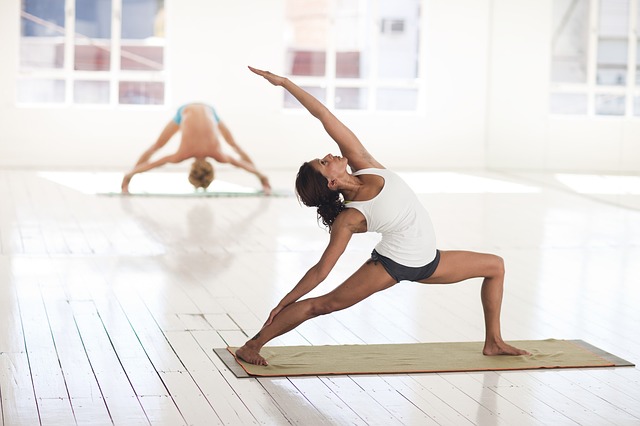
Today’s blog is on motivating ourselves to begin or maintain a yoga practice. Most people agree that yoga has many health benefits. Yet many of us struggle to get to class or maintain a practice in our homes. Today’s article explores some of the barriers that keep us from carrying out something that is so good for us.

First and foremost, we do not tend to dive into the details of how yoga can personally benefit us. One way we can make this connection is by looking at the ailments to which we are predisposed and then learn specific postures that can help alleviate those conditions. What could be a better motivator than the prospect of getting relief from whatever it is that ails us?

There is a great article in The Yoga Journal on 38 ways yoga improves health. https://www.yogajournal.com/lifestyle/count-yoga-38-ways-yoga-keeps-fit. The two benefits that stand out to me the most from the aforementioned article are: 1. It prevents cartilage and joint breakdown. 2. It protects the spine since postures like back bends, forward bends and twists can help keep the spinal discs supple. Given that back problems are one of the single most leading causes of disability in the world today, practicing yoga for the simple reason of keeping our spine supple should serve as enough motivation to get us going.

Another challenge with yoga can be finding the right class or style of yoga that suits our needs. Many people do not realize that not all yoga classes are created equal. There is a great variation of styles in yoga. There is also a great variation in training given to yoga instructors. If one class does not work for you, try a different form. Do not give up! If your community is limited in options, there are a rich array of videos and even books demonstrating yoga postures in them.

One of my favorite books is called Yoga the Iyengar Way by Silva, Mira and Shyam Mehta. Not only are there excellent illustrations and instructions for each posture, but there is an index for remedial programs. If you suffer from depression, for example, it recommends certain postures to assist with this ailment.

Another barrier many of us face is finding the time to keep up a regular practice. Even just selecting three postures each day can go a long way to a good sense of well-being. That makes it easier to carve out one day a week for a more thorough work-out.

One other issue that can sometimes keep people from practicing yoga is managing the difficult emotions that arise from this practice. Certain postures can make us more prone to releasing our emotions. Doing back bends, for example, open up the chest area and can have the effect of softening us to let go of difficult emotions. However, if we look at the emotional barriers that arise during our practice, we have the ability to work through them in a safe environment. This prevents us from having to face them when they arise unexpectedly in other places such as work settings or in interpersonal relationships.

Not only do we sometimes experience emotional challenges in trying to execute a yoga pose, but we can also experience physical barriers that may keep us from wanting to practice. We can easily become frustrated when we cannot execute a pose due to pain or lack of agility. Remembering to be kind to ourselves and realizing it is a process can go a long way in keeping us dedicated. The process, not the “perfect pose” has value in and of itself. Leaning into that process goes a long way in promoting our physical well-being.

Ask yourself today: 1. What is stopping me from beginning or continuing a practice that has so many health benefits? 2. What strategies can I use to motivate myself to begin/continue with my practice? 3. What health ailments do I experience and which yoga postures can best assist with those ailments? 3. What form of yoga speaks to me the most? 4. How can I best work through any physical and emotional barriers that I experience in the midst of my practice?
3/15/20

Easing into positive thinking

Yesterday during my thirty-minute morning swim the sun came bursting through the window and completely illuminated the whole pool. It was as if the sunlight was entering my pores from the outside in and washing away winter’s darkness.  I visualized that the rays of sun were sizzling, and spurring every cell in my body from stagnation into radical aliveness.  This visualization happened so fast.  It came so naturally with a simple ray of sun.  It also reminded me again about the power of positive thinking and the power of visualization.

I think there is something to be said for self-affirmations, visualizations and positive self-talk. When I was in high school, I went through a phase of reading self-help and New Age books.  I found them helpful at that time as I was able to shift some of my negative thinking patterns.  I had learned how to be a catastrophic thinker at a young age.  The tools in this genre of books helped me tremendously.

However, this is not to say that our goal should be to become a Pollyanna.  It is important to be authentic.  If we are having a bad day, it can be helpful to share our vulnerabilities and humanness with a friend.  It can also be helpful to let ourselves have a bad day—knowing that not all days have been bad or will be bad.  Self-talk at this time can look something like, “I am having a bad day.  However, all last week was a good week.  I will go easy on myself today knowing that this is not a permanent state.” 

Furthermore, it is important to maintain that balance between being authentic and kind to ourselves when things are not going well, and taking action to practice positive thinking and not over indulge in negative thought.  We have a responsibility to ourselves and our friends to look for and share our joys, gratitude and not just the challenges. 

Web MD recommends trying out some of these things to cultivate more positive thinking:

Keeping a gratitude journal

Smiling more (even fake smiles help as they will begin to feel more natural eventually)

Picturing your best possible future

Focusing on your strengths

https://www.webmd.com/mental-health/positive-thinking-overview#2

Ask yourselves today:

Am I kind to myself and do I give myself permission to have a bad day?

What things do I do on a daily basis to cultivate positive thinking?

If I am more pessimistic by nature, do I think of optimism as skill I can learn instead of pessimism as a personality trait that dooms me?

Do I give myself a time and space to address my sadness, anger, grief, and more “negative” thoughts?

Do I consciously notice and give as much attention as possible to my joys, gratitude, excitement and more “positive” thoughts?

10/26/19

On Hope, Beauty and Happiness

Heirlooms from our local orchard
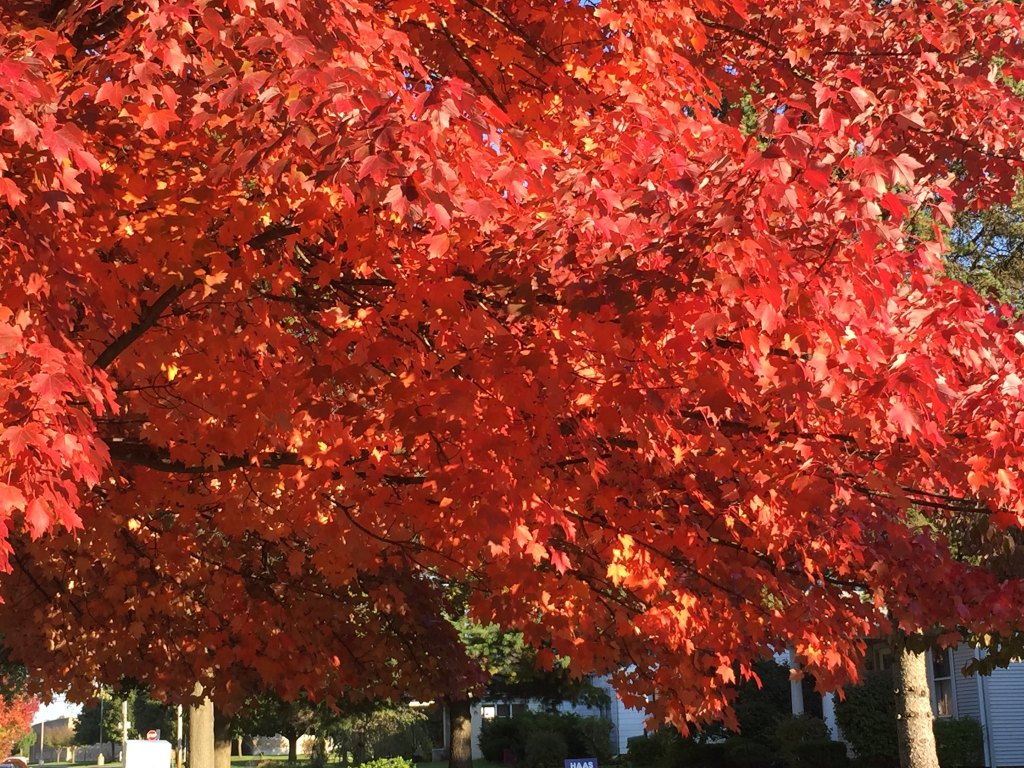
My neighbor’s tree


“The ability to feel hopeful would seem to be key to your overall happiness and well-being. When you feel hopeful you feel good things will come your way. Conversely, one of the hallmark features of depression is a feeling of hopelessness about the future.” Susan Krauss Whitborne

If hope is a key to our happiness and well-being, then it seems we would want to ask ourselves what kinds of things we can do to cultivate more hope in our lives.

I know that an absolute staple for me in terms of keeping me hopeful is noticing all that is beautiful in this world. There are so many things that I could be taking for granted this season. Yet, when I turn my focus to finding what is beautiful–my heart becomes more full. (Just take a look out your window or visit your local apple orchard this season!)

Another absolute staple for me in maintaining hope in my life is the ability to dream. I used to keep a dream journal. I would collect inspiring quotes, cut out photos of beautiful landscapes and living spaces, and write about my deepest desires and yearnings. I also kept these dreams secret until I was ready to bring them to fruition so no one would be able to dash my dreams as being unrealistic.

“Hold fast to dreams, for if dreams die
Life is a broken-winged bird,
That cannot fly.” Langston Hughes

Imagination is another tool through which we can begin to dream and have hope in our lives. I believe that every single one of us has the power to imagine something beautiful and wondrous about our world and ourselves. Everything that can be imagined, and dreamed up, can become goals that we can strive to achieve in our lives.

“I believe that imagination is stronger than knowledge. That myth is more potent than history. That dreams are more powerful than facts. That hope always triumphs over experience. That laughter is the only cure for grief. And I believe that love is stronger than death.” Robert Fulghum

Ask yourself this season:

How can I train my eyes to become conscious of all the beauty that surrounds me?

How can I cultivate hope?

What spaces can I create for my imagination and creativity to emerge?

Do I have a time and place to dedicate to bringing my deepest dreams and desires to fruition?

10/10/19

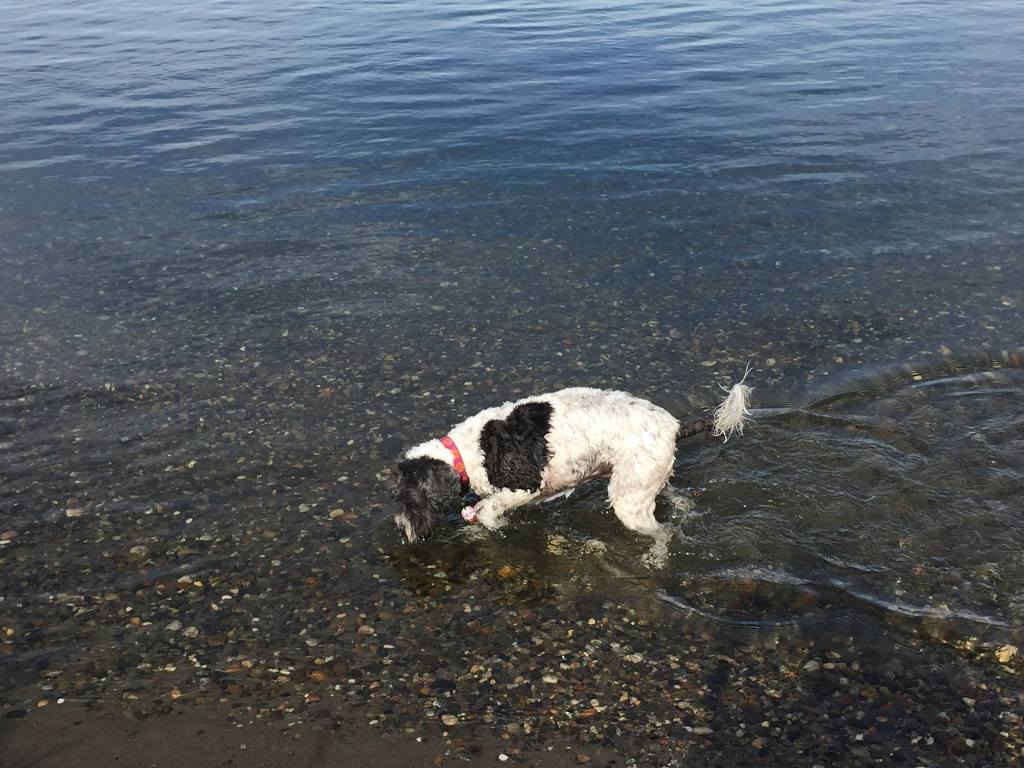
A tribute to my little companion and all others who make such a difference in the health and well-being of our lives.

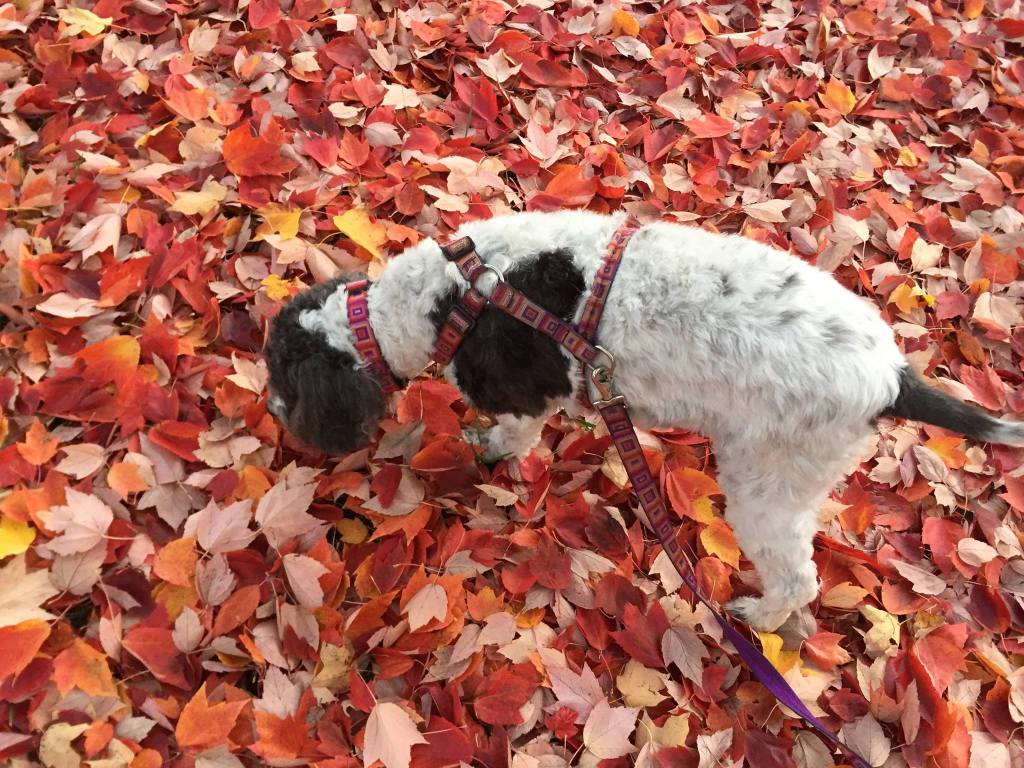
My dog gets me outdoors every season to see the beauty.
She makes me smile at her delight in making snow angels.
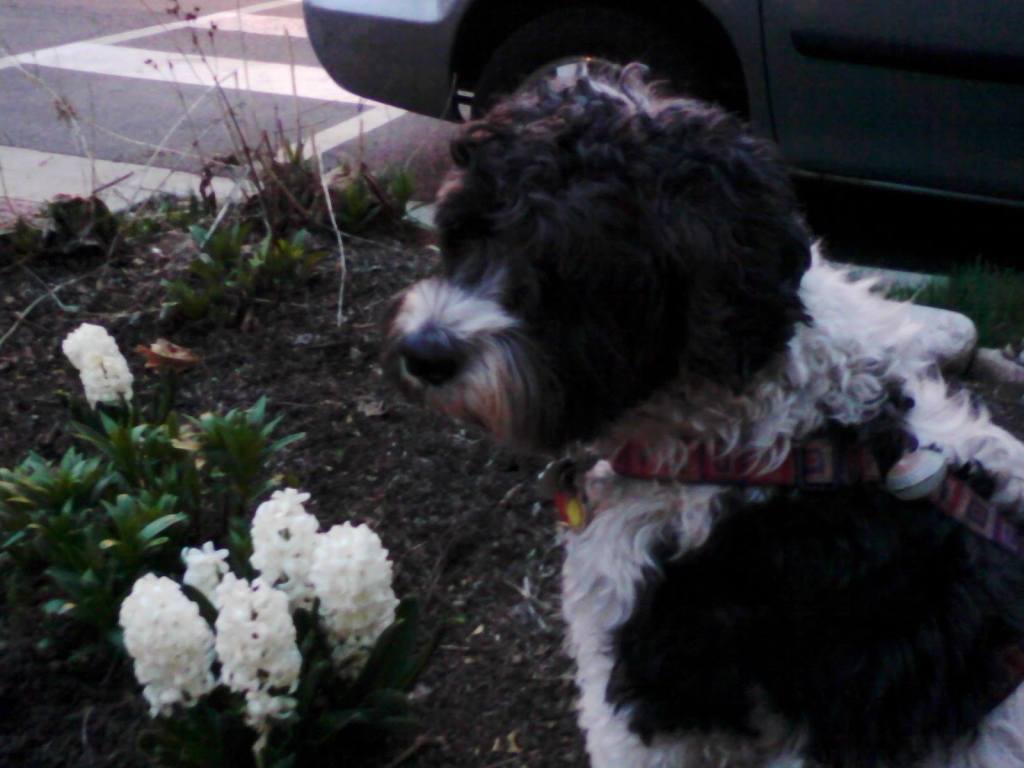
She makes me take time to smell the roses (hyacinths in this case!)
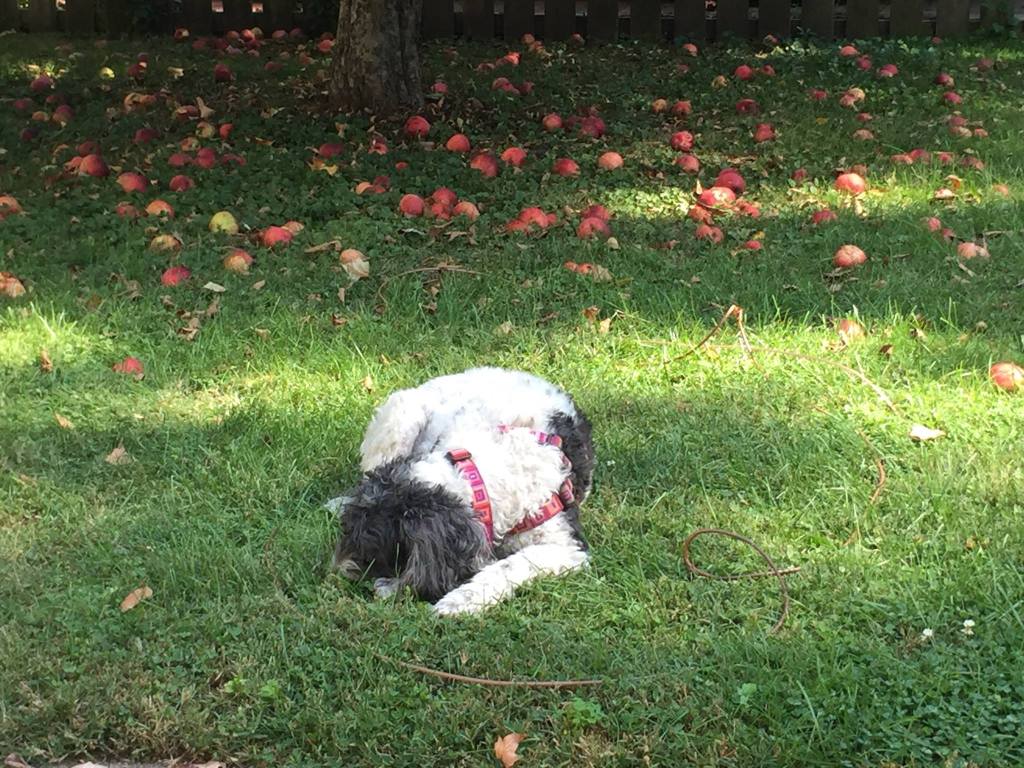
And she reminds me to slow down and sit under the apple tree.
She helps me enjoy my favorite season to the fullest!
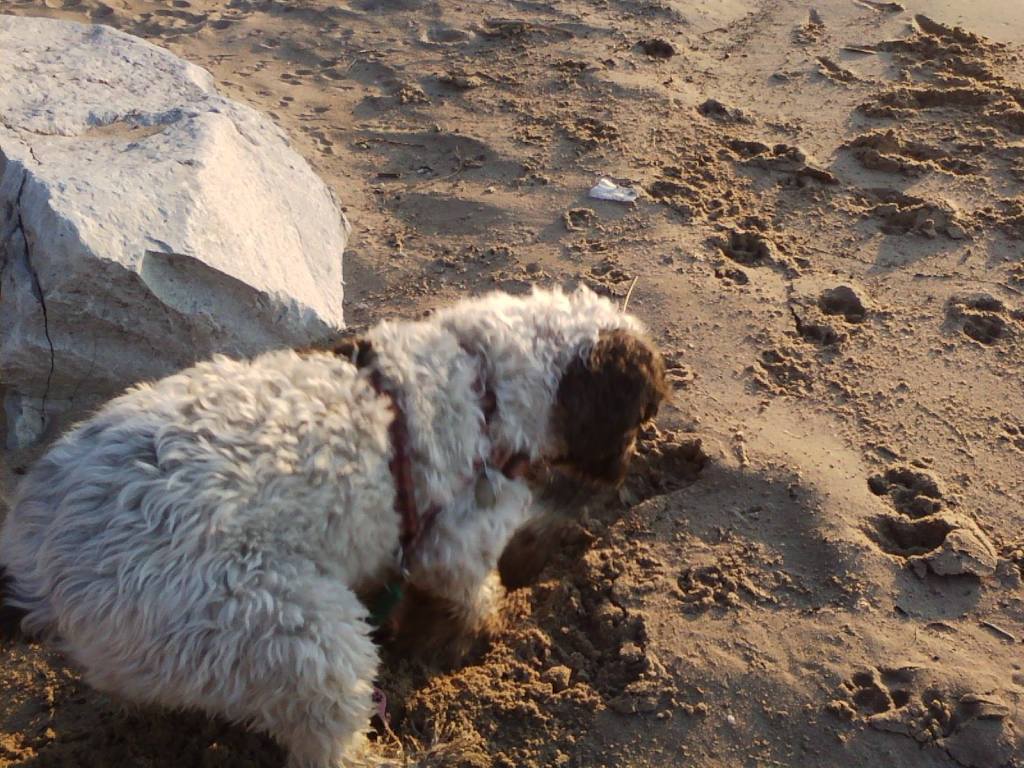
… Better to dig in the sand than my flowers!
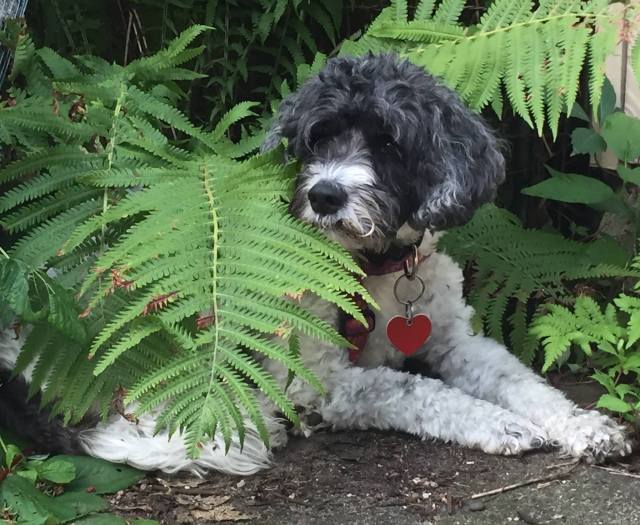
… Her favorite place to hide.

When I first got my dog at three months of age she was flee infested and traumatized. She hid under the couch and I had to pull her out to feed her and poddy her. She barked at all people and all animals. I wondered if I would be able to keep her. I didn’t know if I could provide the comfort and training she needed to be socialized and to make it in this world. She was my “special needs” puppy.

However in rescuing her, she rescued me. I learned I had the skills to deal with her and all her needs. She got me out to beautiful places. And she continues to get me out in all the elements. I have to walk her–even in ice storms. There is something so incredibly beautiful and wholesome about being out in every season, even if it is for the briefest of walks. I have also met some of my best friends and gotten several dates from walking my dog. Furthermore, she has taught me about living in the moment.

Along the way, I have heard many beautiful stories of dogs rescuing their owners. One such story is of a client of mine who had epilepsy. His service dog could predict his seizures and was trained to help him get through them. He also had a puppy who was not a service dog, but was a great companion in addition to his service dog. The most incredible part of his story is when his service dog died, his little puppy took over the roll of his service dog without ever having been formally trained. The puppy had learned what to do to assist with the seizures simply by observation. The puppy also knew how to fill the void of grief that overwhelmed my client from losing his long time companion.

Recently I saw a documentary on TV that shared about a non-profit organization that trains dogs to become service dogs for Veterans with PTSD. What a wonderful difference they can make in the lives of their owners. That organization is called k9s for warriors. Their website is: https://www.k9sforwarriors.org/. If you love dogs and want to make a difference for our OEF/OIF Veterans with injuries such as TBI and PTSD–consider a donation! I am not affiliated with them in anyway, but have seen first hand how important of a difference well-trained service dogs can make for Veterans.

The research confirms what most of us already know about our pets. The mayo clinic writes about how “animal assisted therapy” can help reduce pain and anxiety in a wide range of illnesses. https://www.mayoclinic.org/healthy-lifestyle/consumer-health/in-depth/pet-therapy/art-20046342. The Chopra Center explains very eloquently how our pets help us live in the present moment. “Pets serve as constant reminders to live in the moment because it is the only way they know how to live. While we humans ruminate over the past and worry about the future, pets simply live in the here and now….Pets appear to be simple creatures but in many ways, they are much wiser than their owners.” https://chopra.com/articles/7-health-benefits-of-owning-a-pet.

If you already have a pet, rest assured that it is already a benefit to your health. If you do not, consider walking a neighbor’s dog, going horse back riding, or visiting a shelter to give some TLC to pets without homes. They bring many gifts to us and can make us feel more whole.

10/3/19

Forest Bathing

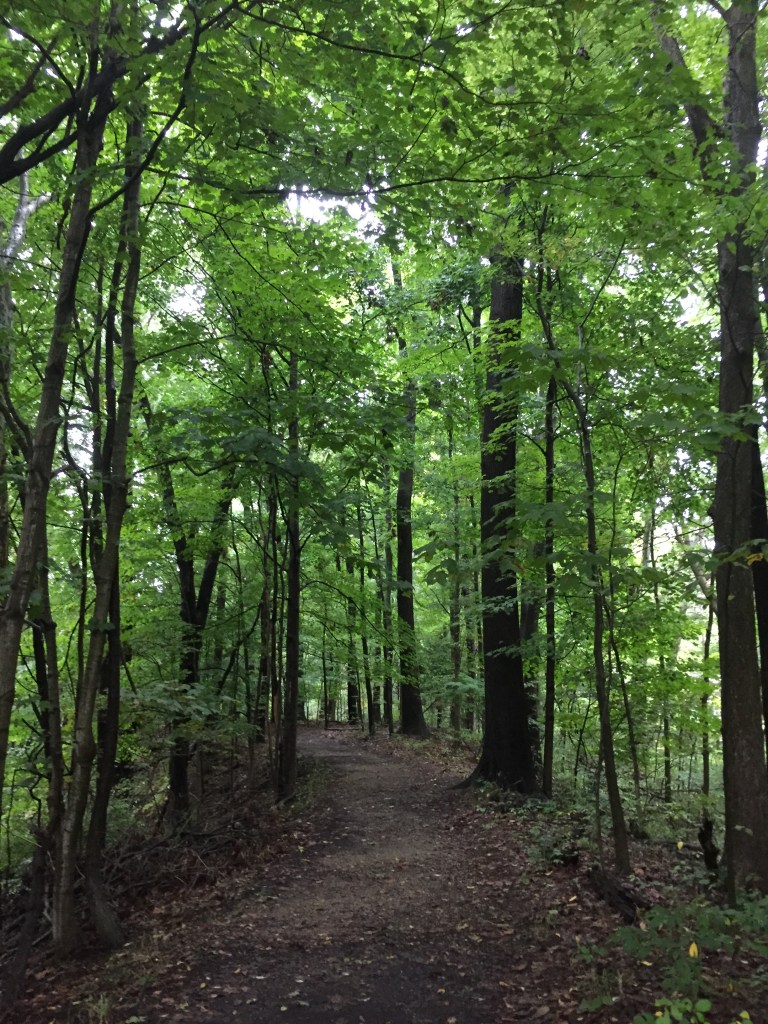
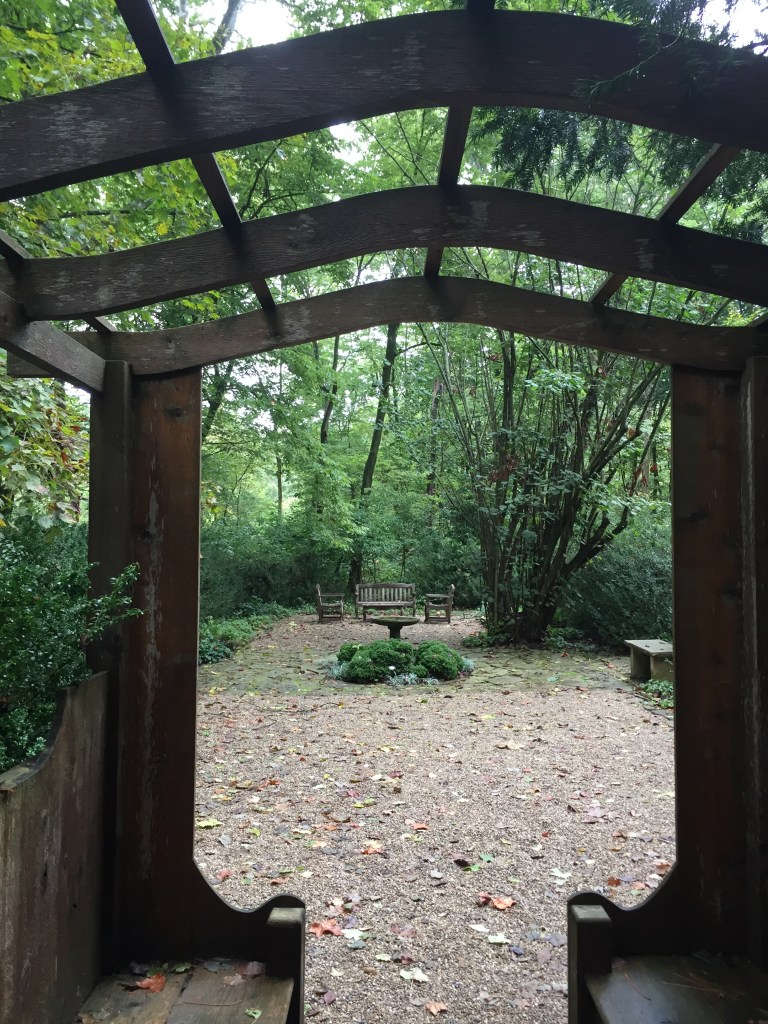
On this drizzly overcast day I started down a trail
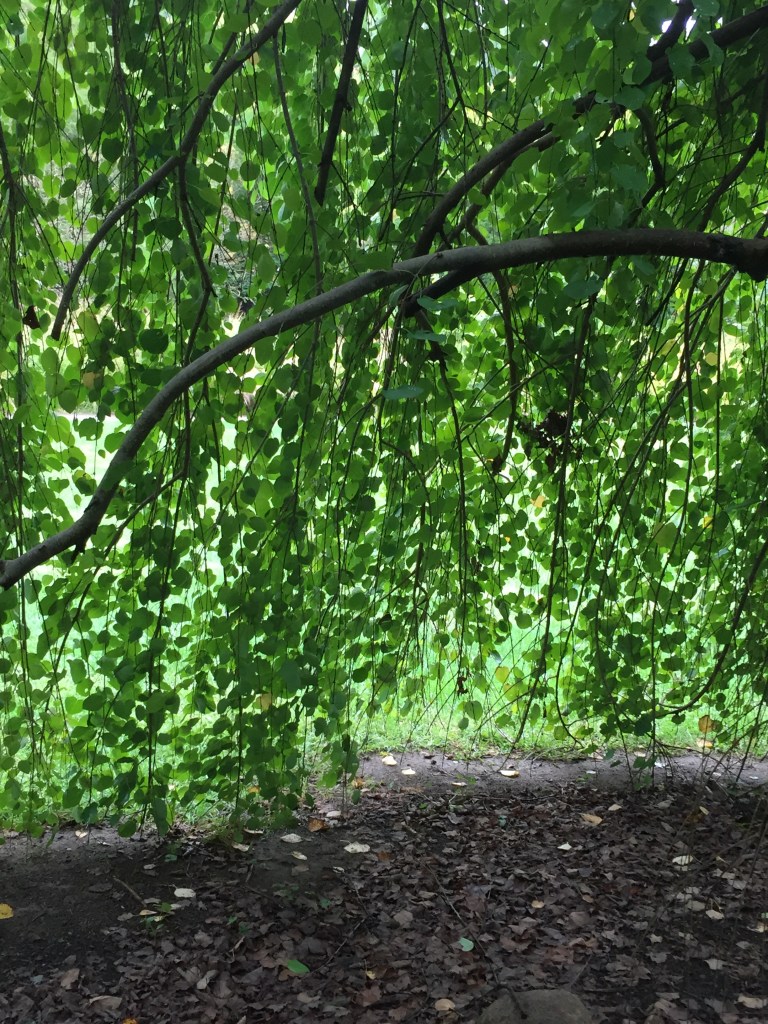
I discovered my favorite tree of all time
I sat for awhile just to admire the shades of green
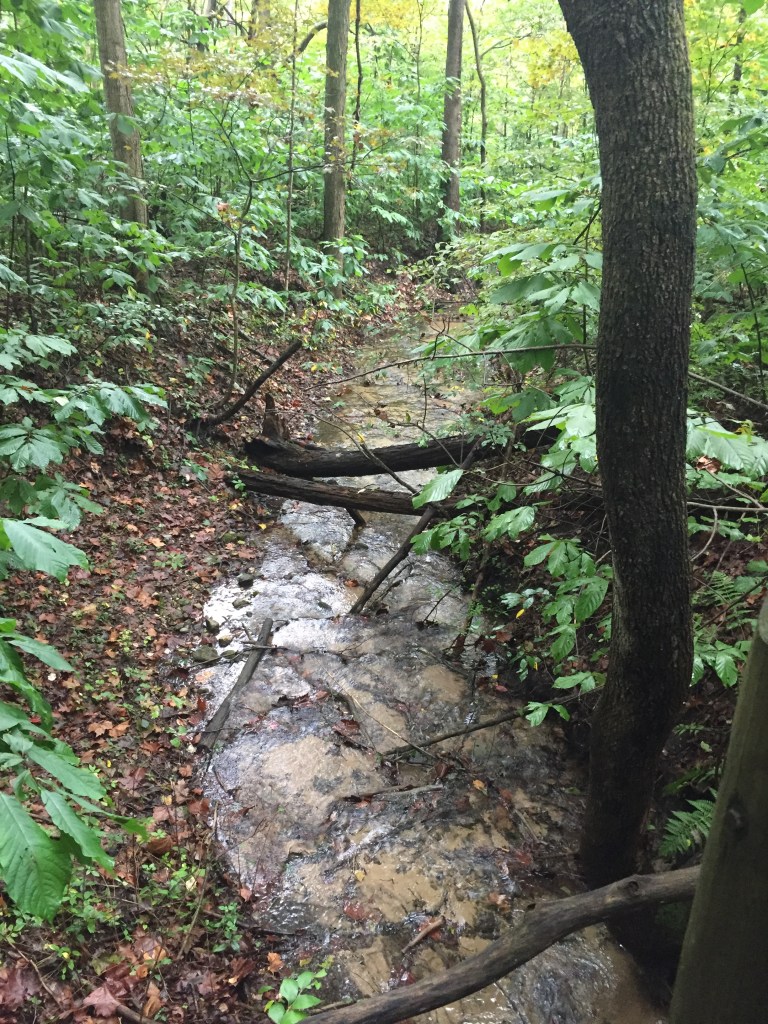
I was ecstatic to see how clear and clean the creek was!
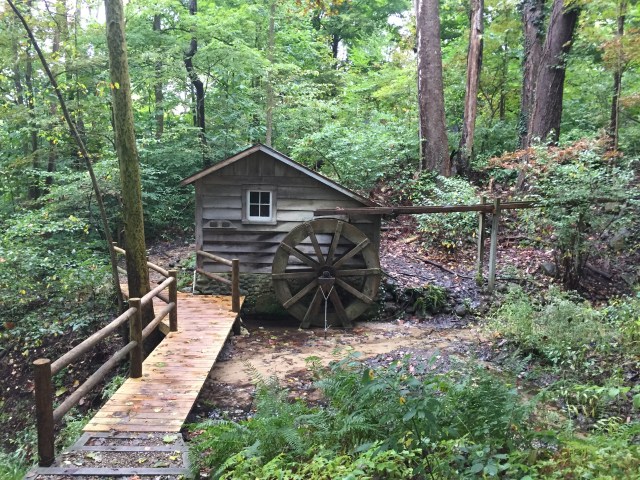
An unexpected and delightful surprise–a functioning water wheel!
I nearly stepped on these on my way out.

This was my experience in forest bathing. An old article in Time magazine describes it well. https://time.com/5259602/japanese-forest-bathing/. Try it! There is nothing quite like soaking in the forest atmosphere.

9/22/19

Traveling into the sunrise and nearly at the equinox…Fall, here we come!

“I cannot endure to waste anything so precious as autumnal sunshine by staying in the house.” Author Unknown

“Dancing of the autumn leaves on a surface of a lake is a dream we see when we are awake.” Author Unknown

The autumn equinox occurs tomorrow which signals that day light and night become nearly equal in length.  With the shift in light, cooler weather, and change in food available during this time of year, I am beginning to adjust my activities and cooking to better fit the season.

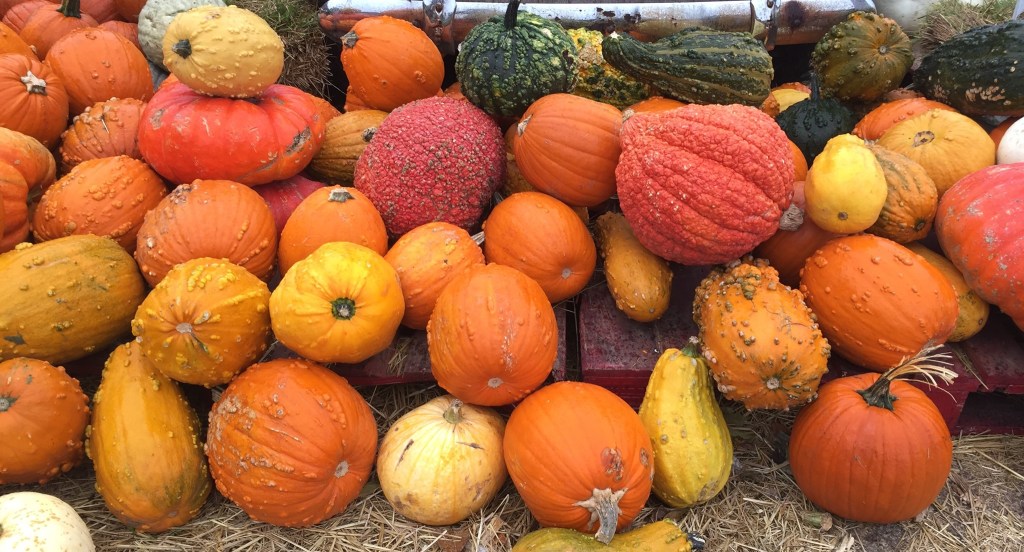
I associate fall with wonderful traditions such as hay rack rides, visiting orchards to buy apples and cider, bobbing for apples, bonfires, the arrival of colored corn, pumpkins and gourds, eating more soup for the cooler weather, preparing seasonal drinks such as autumn wassail, cooking with fall spices such as nutmeg, cinnamon and cloves, breaking out cozy falls sweaters, and taking hikes to see the fall leaves.

In order to usher in the fall season with joy, I am beginning to get excited about implementing some new fall traditions. This includes looking for new fall recipes. (Included below are some of my favorites.) I also have a road trip planned with new friends to take a long hike outdoors and see the change in colors.

As fall arrives this year, ask yourselves what wonderful new cooking traditions you can incorporate into your life. Also don’t forget to usher in the season with some hikes in the great outdoors (below are some recommendations for places to go to see the fall colors).

Some favorite fall recipes:

Autumn wassail:

  • 1 qt Organic apple cider
  • 2 cups Unsweetened pomegranate juice
  • 1/4 cup Sugar
  • 1 cup Fresh orange juice
  • 3/4 cup Fresh lemon juice
  • 3 Cinnamon sticks
  • 1 tsp Whole cloves
  • Combine all the ingredients in a saucepan and bring to a simmer over medium-low heat. Cook for at least 1 hour, stirring occasionally.

To serve hot, add the cognac and rum to a glass and top with the wassail. Amounts: 1 1/2 oz. cognac, 1/2 oz rum, 4 oz wassail

Garnish with an apple

credit: https://www.liquor.com/recipes/autumn-wassail/#gs.5cku9k

Heidi’s Sweet Potato Custard

1 1/2 cups cooked and peeled sweet potatoes

2/3 cup brown sugar

3 eggs beaten

1 1/2 cups scalded milk

1 T. cornstarch

1 t. cinnamon

1/2 t. ginger

1/4 t. ground cloves

1.4 t. nutmeg

Pour into buttered baking dish, bake 45 minutes at 350

I also highly recommend the cookbook called Simply in Season which has a whole section on fall recipes.

Some recommendations for a road trip to see the fall colors are at some nationally underrated places such as Brown County, Indiana– with a suggestion for staying at the Story Inn. https://www.storyinn.com/. Another place is Starved Rock state park in Illinois with a recommendation to stay at the old lodge. https://www.starvedrockstatepark.org/

Happy Fall!

9/13/19

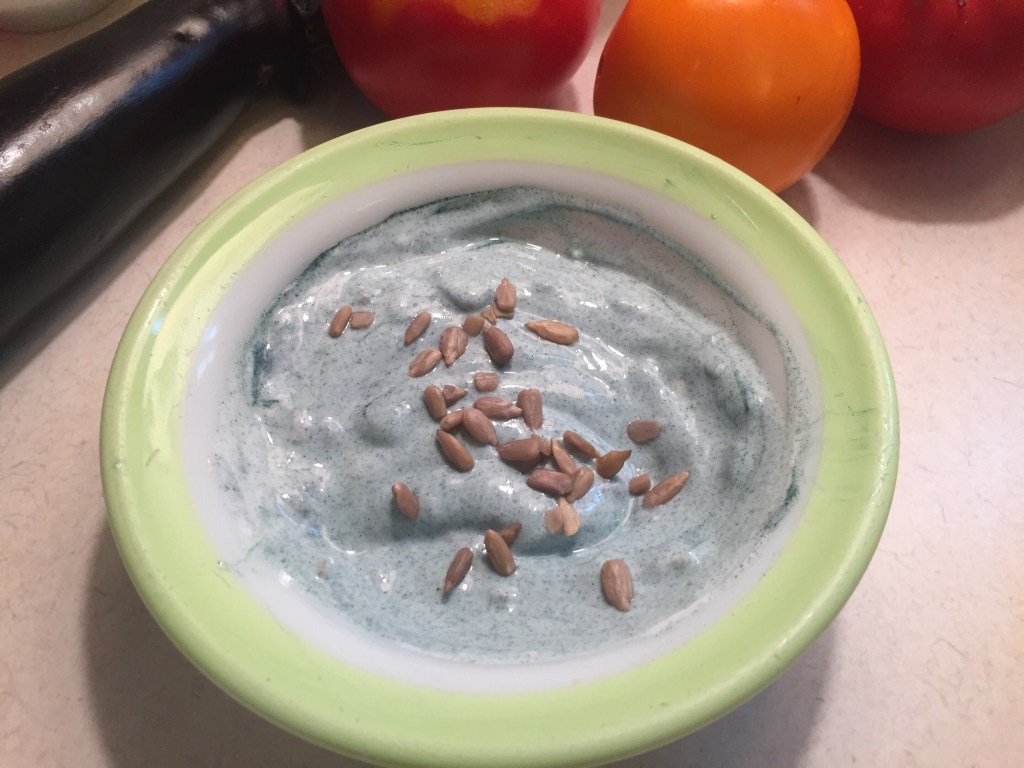
plain whole fat yogurt, teaspoon spirulina powder, and sunflower seeds
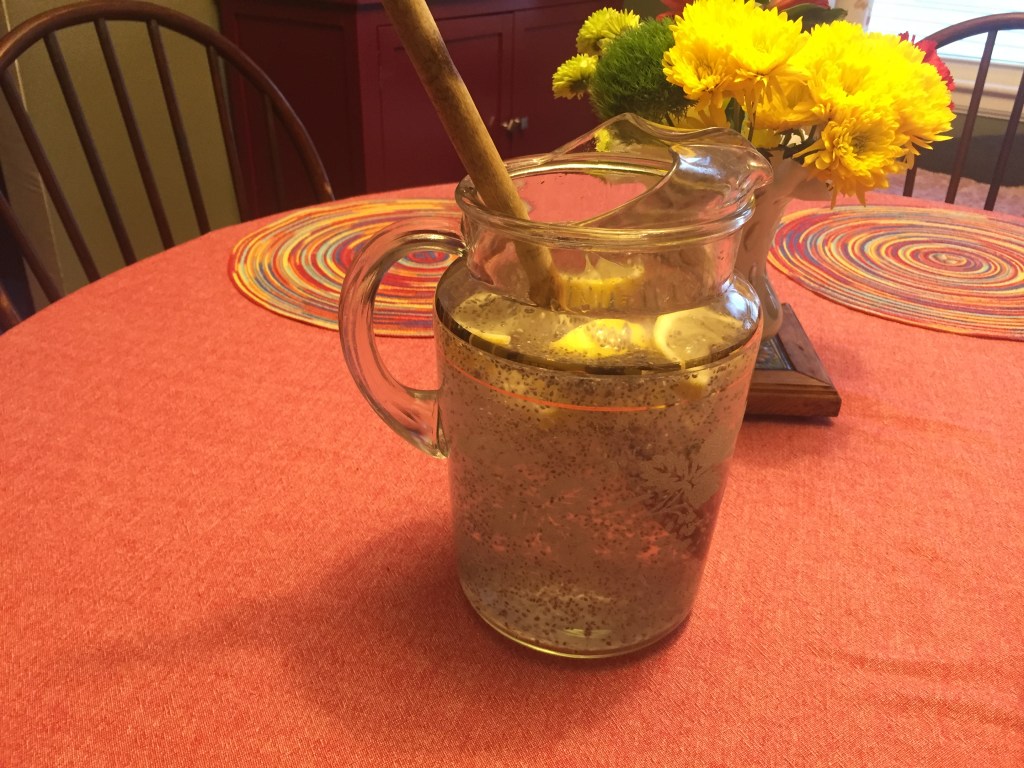
chia seed lemonade (recipe below)

Topic of the day: Healthy food toppings and “additives” for texture, taste, and color.

Many of us have heard that things like flax seeds, nutritional yeast, and spirulina powder are good for us.  But we don’t tend to incorporate a variety of these things on a consistent basis.  We also don’t know how to use them.  Today’s blog is on simple ideas for use of such healthy food toppings and “additives.”

Nutritional yeast and flax seeds are one of the easiest things to incorporate on a frequent basis.  Many of us eat some kind of cereal or toast for breakfast.  Whether you are eating a whole grain oatmeal or boxed cereal, a tablespoon of nutritional yeast and a handful of ground flax seeds can be easily added to your cereal. If you use butter or peanut butter on your toast, both of these items can be sprinkled on for toppings as they will stick to the butter fairly easily. Nutritional yeast is also delicious on popcorn.

Spirulina powder has a unique taste and adds a dark green color to your food and drink.  It is most often used in smoothies.  However, it can be added to any kind of yogurt of kefir if you don’t mind the taste and color.  Mix in a teaspoon with your daily yogurt or kefir.   I often add sunflower seeds to my yogurt as well for good measure.

Chia seeds are the perfect addition to your drinks.  A teaspoon can be added to your glass of orange juice, lemonade or even ice tea 15 minutes before drinking so they have time to swell up. 

What are the individual benefits of each of the aforementioned supplements?

According to Dr. Axe there are many researched benefits for spirulina.  It detoxes heavy metals, eliminates candida, helps prevent cancer, lowers blood pressure, and reduces cholesterol.  1-8 grams a day is recommended.  (1 tablespoon is 7 grams) https://draxe.com/nutrition/supplements/spirulina-benefits/

A WebMD article states that flax seed may reduce the risks of certain cancers as well as cardiovascular and lung disease. https://www.webmd.com/diet/features/benefits-of-flaxseed#1 .Dr Axe suggests there are other benefits as well such as lowering cholesterol and regulating blood sugar. 1-2 tablespoons a day is the suggested use. https://draxe.com/nutrition/seeds/10-flax-seed-benefits-nutrition-facts/

Nutritional yeast preserves immune function, holds antiviral and antibacterial properties, improves digestion, and is high in protein. https://draxe.com/nutrition/article/nutritional-yeast/

WebMD shares that “An ounce of chia seeds (about 2 tablespoons) contains 138 calories, 10 grams of fiber, 9 grams of fat and 5 grams of protein, as well as 17 percent of your daily calcium needs, 12 percent of your iron and 23 percent of your magnesium.“  This makes them good for osteoporosis. They also contain the healthy fats (omega 3’s.)  https://www.webmd.com/food-recipes/features/why-are-chia-seeds-good-for-me#1

Why not add some quick healthy toppings and ‘”additives” for texture, taste, and color to your food?

Heidi’s chia seed lemonade recipe

4 cups cold water

Juice from one whole lemon

One tablespoon chia seeds

Sweeten to taste

Enjoy!

9/5/19

Sunset in Cacapon State Park, West Virginia
Thirty minutes prior to sunset at the same peak

When was the last time you staked out a spot and spent thirty full minutes just watching the sun paint the sky into evening?

Sunrise, Cacapon State Park, WV
Sunrise Cacapon State Park, WV

When was the last time you got up at the crack of dawn to race the sunrise to the top of the peak?

Central trail, Cacapon State Park
A fawn in Cacapon State Park

When was the last time you sat still enough for long enough to let nature come look you in the eye?

Berkeley Springs, West Virginia

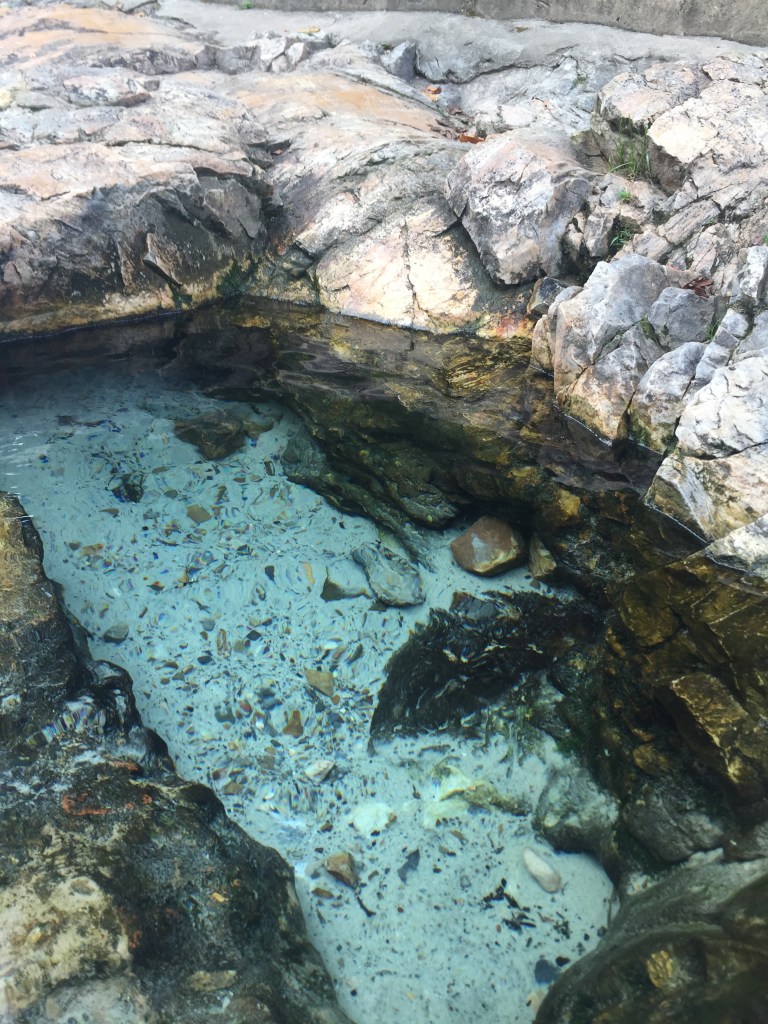
When was the last time you waded in a natural body of water?

Today’s blog is simply an encouragement to get outside. Chase the sunrise and sunsets. Go barefoot in the grass. Wade in the water. Be silent. Observe. Breathe. Live.

“Of all the paths you take in life, make sure a few of them are dirt.” John Muir

8/23/19

Complex carbohydrates: Reviving millet and brown rice

One of the hardest food groups for me to find time to add to my diet is complex carbohydrates. It also seems we have forgotten about the value of integrating complex carbohydrates into our diet since everyone seems to be on a low carb kick. People confuse the various kinds of carbohydrates and avoid all of them at the cost of a well-rounded diet.

However, complex carbohydrates are well worth the time we invest in cooking them due to the nutritional value we reap from them.  One of the important benefits of complex carbohydrates is that they don’t cause the rapid fluctuation in blood sugar levels because they take longer for your body to digest.  Therefore your energy level stays more stable. They are also more nutrient rich than simple carbohydrates. 

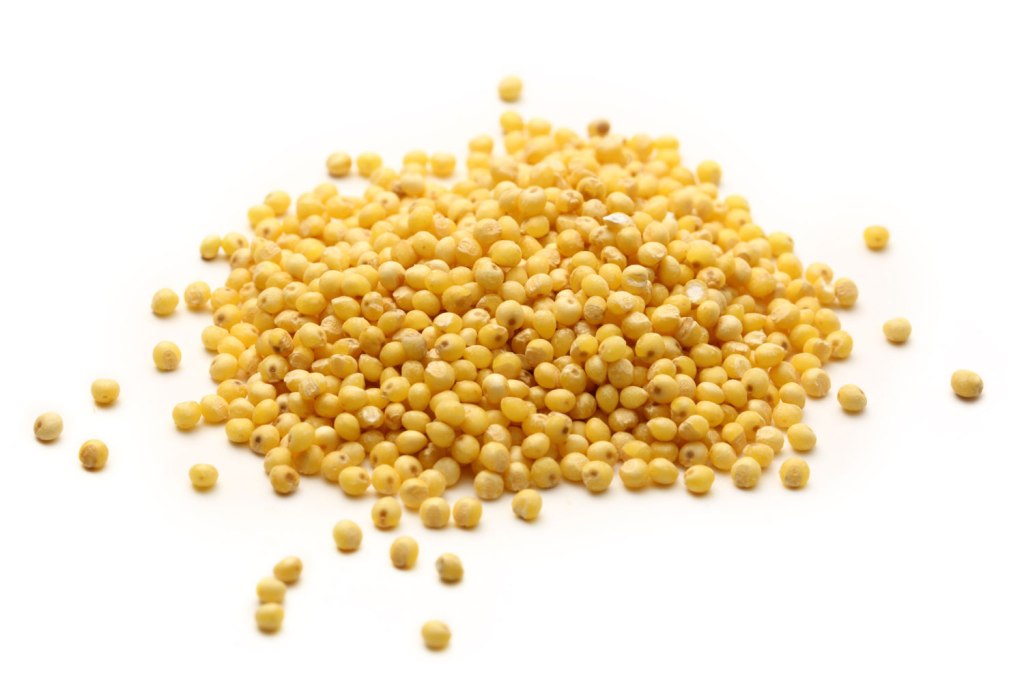
What are some examples of complex carbohydrates?  Brown rice, millet, quinoa, whole grain barley, and bulgur are just a few examples that come to mind.

The most popular complex carbohydrate these days seems to be quinoa.  You can see recipes all over—especially for quinoa salads.  However, this is a grain that carries an ethical dilemma with it.  The new demand for quinoa has pushed up prices so much that poorer people in Peru and Bolivia that eat it as a staple can no longer afford it.  Conversely, millet is one of the most underrated grains that is eco-friendly and way less expensive. Brown rice is also underrated.  It happens to be healthier and more eco-friendly than white rice. Since I am trying to incorporate more eco-friendly whole grains into my diet, I am sharing one millet and one brown rice recipe below.

The time involved in cooking the grains in the recipes below can sometimes be a stumbling block for people.  One way I address this problem is to cook my grains for the whole week on the weekend.  Then I simply add them to a recipe or heat them in the microwave when I am ready to eat them during the week. They keep nicely and do not spoil in one week.

We have also trained our sense of taste and digestive systems so that we only like quick, simple carbohydrates. In terms of our sense of taste, they can seem rather bland until you re-train your taste buds. Once you get used to eating them they begin to taste slightly sweet. The texture also takes some getting used to. We are used to soft breads, even pastas that go down quickly and take little chewing. We must eat whole grains more slowly and that also helps with weight loss. Enjoy the recipes below by eating slowly and mindfully allowing for good digestion! Complex carbohydrates cannot be rushed!

Heidi’s whole grain breakfast cereal

½ cup millet

½ cup of Irish oats (make sure you really pick up Irish oats and not regular oats)

Put both grains into a sauce pan.  Add three cups of water.  Bring to a boil with the lid on it.  Then put it on simmer for roughly 40 minutes.  (Check it periodically–it may be at the consistency you would like it at the 30 minute mark).  Once the grains are soft and there is barely any water left, turn off the burner and leave it with the lid on for another 15 minutes or so.

Take a scoop out, add warm whole milk, maple syrup, and bananas. 

Heidi’s Gallo Pinto “Spotted Rooster” (Costa Rican dish)

1 Tablespoon coconut oil

1/2 red onion

1/2 red pepper

Two cloves of minced garlic

1 cup black beans cooked in vegetable broth (save broth)

1 1/2 cups cooked brown rice**

1 tablespoon Worcestershire sauce

1 teaspoon cumin

1 tablespoon tomato paste

Fresh cilantro

Sautee the onion and red pepper in oil until soft.  Add minced garlic.  Add beans with ¾ cup of the broth you cooked them in.  Add cooked rice with cumin, Worcestershire sauce and tomato paste.  Top with fresh cilantro.

**The whole grain rice needs to be cooked 45 minutes before you start the gallo pinto dish.  Add 1 ½  cups of whole grain rice to roughly 5 cups of water.  Bring to boil with lid on it.  Then turn to simmer with lid on it for 40 minutes.  Watch periodically.  Once the rice is soft and there is barely any water left, turn off burner and leave lid on for 15 more minutes. Buen Provecho!

8/18/19

Topic for the day: Simple recipes for singles

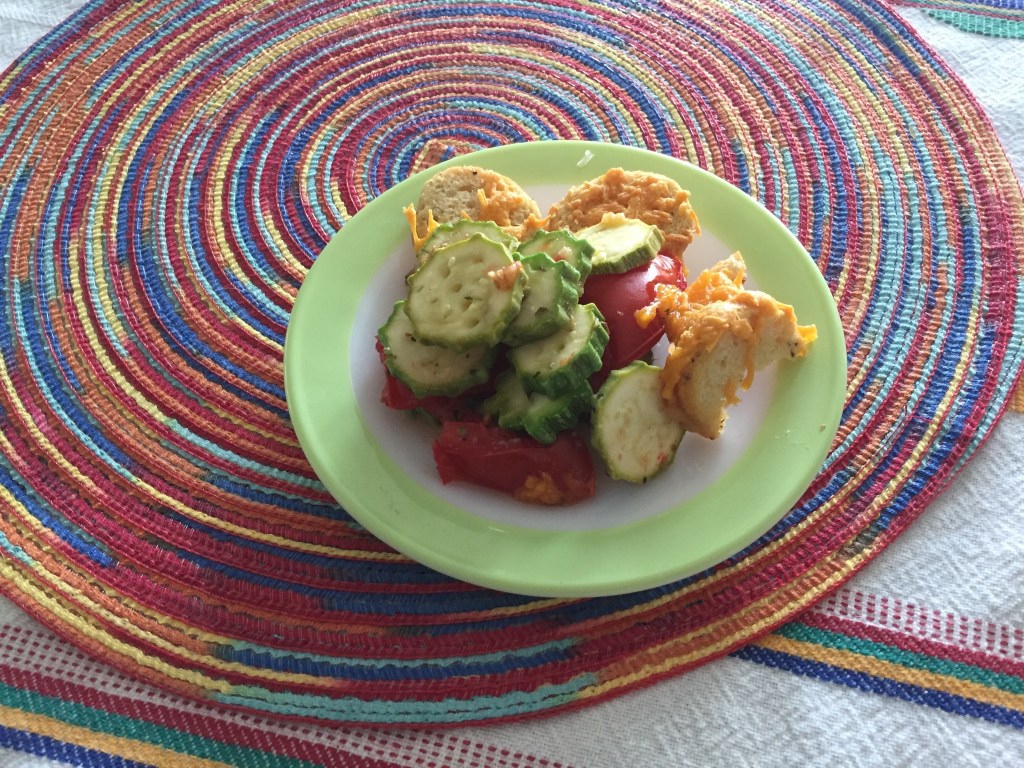
The other day I received a zucchini, three tomatoes and three tiny cucumbers from someone’s garden. I wanted something simple, quick and wholesome to do with these vegetables.

My go to recipe for zucchini is:

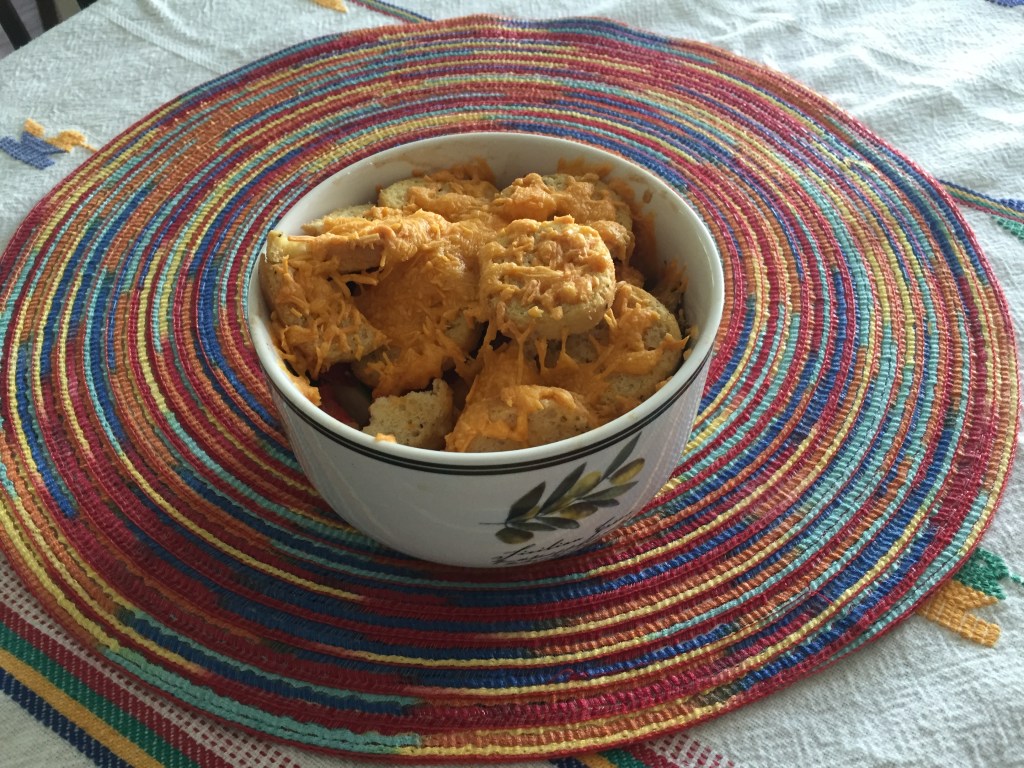
Cut one zucchini into small round slices. Put in the bottom of a tiny oven proof casserole dish. Add a dash of vegetable stock. It should not cover the zucchini, but be just enough to soften it. Slice one medium sized tomato over the top. Add plenty of oregano and basil. Bake for thirty minutes in the oven at 350. Take out and add bruschettini or croutons. Top with shredded cheddar or Mexican cheese. Bake thirty more minutes until golden brown.

My recipe for cucumber and tomato is even simpler. Slice a small cucumber into a bowl. Slice a small tomato. Add cottage cheese to taste. Add a dash of black pepper. Add three tablespoons apple cider vinegar. Add spoonful of sunflower seeds which create a whole protein in combination with cottage cheese. Enjoy!

Design a site like this with WordPress.com
Get started